📢 Welcome to our Official Website of Oblates of the Assumption – East Africa
Our Congregation

History of the Congregation

Oblate Sisters of the Assumption – East Africa Province

Our Beginnings

Our Foundation

Our Foundation View Photo

1. Papal Blessing (1860–1862)

The foundation of the Oblates of the Assumption  is rated about  1860, when Fr. Emmanuel d'Alzon inherited half of his family's considerable fortune following the deaths of his mother and eldest sister. Bound by a personal vow of poverty, he sought to dedicate these resources entirely to the service of the Church. While he initially planned to purchase holy sites in Jerusalem, Pope Pius IX encouraged him to use the funds to establish a college or seminary in Bulgaria.

“I bless your works of the East and the West.”

During a public audience on June 4, 1862, the Pope formally blessed his efforts. Fr. d'Alzon received this blessing as a direct Papal order to foster unity with the Orthodox Church in the East.
 

Our Journey

Growth of the Congregation

Growth of the Congregation View Photo

2. The situation in the East (1862–1863)

To carry out this mission, Fr. d'Alzon sent Fr. Victorin Galabert, a priest holding degrees in both medicine and theology, to Constantinople in December 1862. Fr. d'Alzon joined him in April 1863 to assess the situation firsthand. Recognizing the immense need for charitable and educational outreach among the local population, Fr. Galabert, along with Fr. Barthelemy (an Assumptionist pharmacist), opened a school for 90 pupils in Philippopolis on December 10, 1863. This marked the first Assumptionist foundation in the East.

3. The Call for a Female Presence (1864)

By March 1864, Fr. Galabert realized that the mission could not succeed through the work of priests alone. Supported by the local Latin Bishop of Sofia, he urged Fr. d'Alzon to send religious Sisters to run schools for girls and engage in charitable works. Fr. d'Alzon agreed, noting that to penetrate homes, reach families, and serve the poor effectively, a female religious presence was indispensable.

“If others cannot do it, we will try ourselves!”    Fr. Emmanuel d'Alzon

After evaluating various options such as recruiting local women or partnering with existing religious congregations, Fr. d'Alzon resolved to establish a new congregation himself. He entrusted Fr. Hippolyte Saugrain, Novice Master for the Brothers, with preparing young postulants for this new missionary initiative.

Through the Years

Historical Development

Historical Development View Photo

4. Simple foundation (1865)

Fr. d'Alzon was deeply impressed by the goodwill and generous response of young, simple women from the Cévennes Mountains, admiring their trust and lack of hesitation. Originally, he had discussed creating a branch of 'Oblates' with Mother Marie-Eugénie among the Religious of the Assumption to serve as a bridge between religious and lay sisters. Instead, he retained the name Oblates of the Assumption for this new congregation, grafting it directly onto the Augustinians of the Assumption.

On May 23, 1865, Fr. d'Alzon installed the first six Oblates in a rented house named Rochebelle (Our Lady of Bulgaria) near his home town of Vigan. The following day, on the Feast of Mary Auxiliatrice, he celebrated their Mass of Foundation, during which Bishop Plantier also blessed the house. The Sisters received the religious habit and began their novitiate on August 14, 1865. Within six months, their community grew to eighteen members

Our Service

Mission in East Africa

Mission in East Africa View Photo

5. Co –Founder:  Marie Correnson (1866–1867)

To form these young women into both schoolteachers and sisters of charity, Mother Eugénie temporarily delegated Sr. Marie-Madeleine from the Religious of the Assumption to guide their initial steps. Meanwhile, Fr. d'Alzon turned to Marie Correnson, a spiritual directee since 1859, proposing in July 1866 that she become the Foundress and Mother of the new congregation.

“Do you feel within you the strength to have the real heart of a mother? Are you resolved to give birth to this work in the suffering it is easy to foresee?”  Fr. d'Alzon to Marie Correnson, July 20, 1866

Initially hesitant due to the sacrifice of leaving high society life in Nîmes to live among uneducated girls, Marie overcame her interior struggle through prayer and spiritual guidance. On April 7, 1867, after a secret novitiate, she received the name Mother Emmanuel-Marie of the Compassion along with the motto “to be all to all.” She left home on June 27, 1867, to take her place as Superior at Rochebelle, making her perpetual vows on April 18, 1868.

Faith and Service

Continuing the Mission

Continuing the Mission View Photo

6. Mission to Bulgaria (1868–1880s)

In April 1868, Mother Emmanuel-Marie and four Oblates traveled from Marseille to Adrianople, where they quickly established schools, an orphanage, a dispensary, and a hospital. By 1878, twenty-one Sisters were actively serving across Adrianople and Philippopolis, heroically remaining on site during the 1877 Russian-Turkish war to care for the sick, refugees, and orphans in true alignment with their founders' charitable spirit.

7. Oblates today.

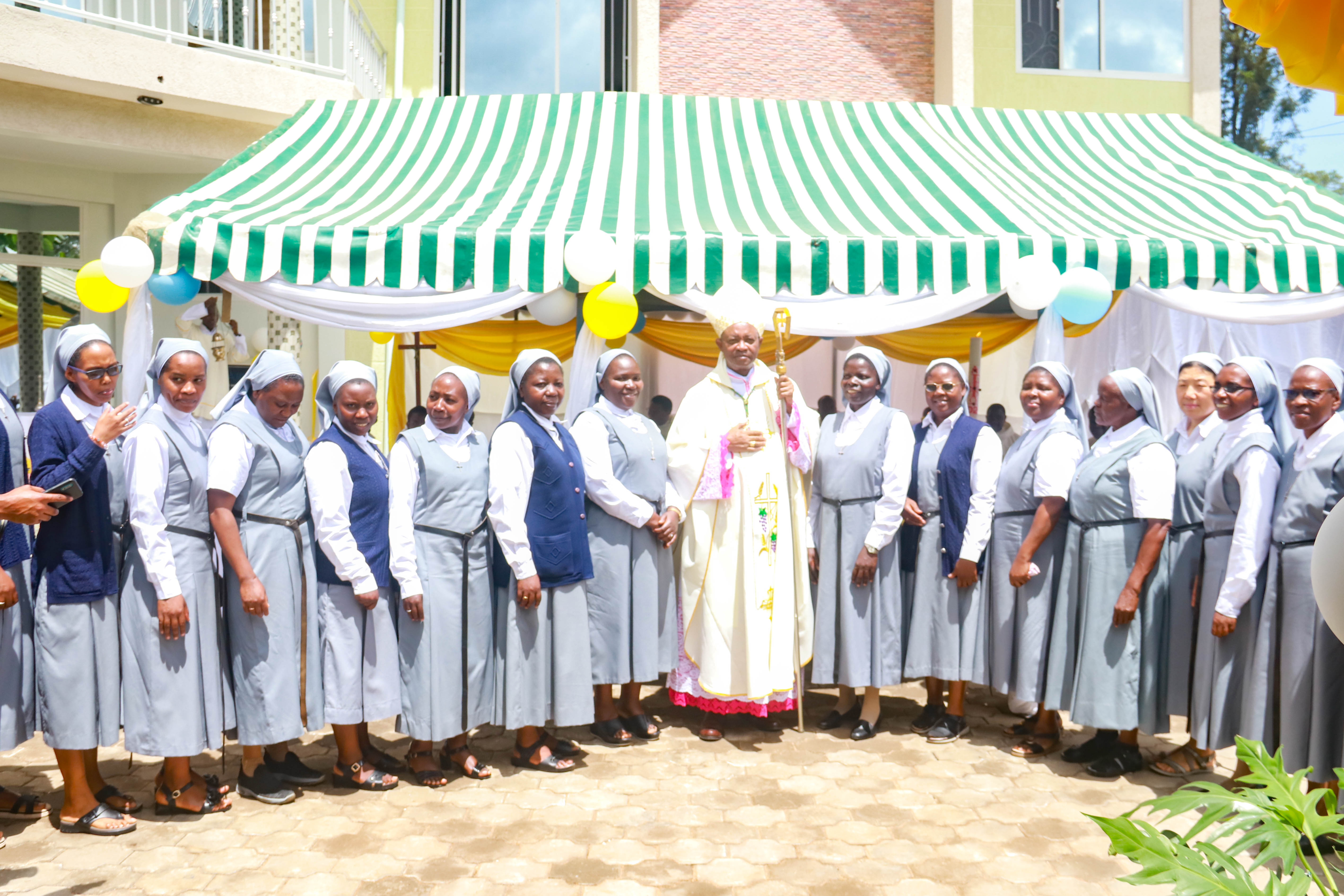
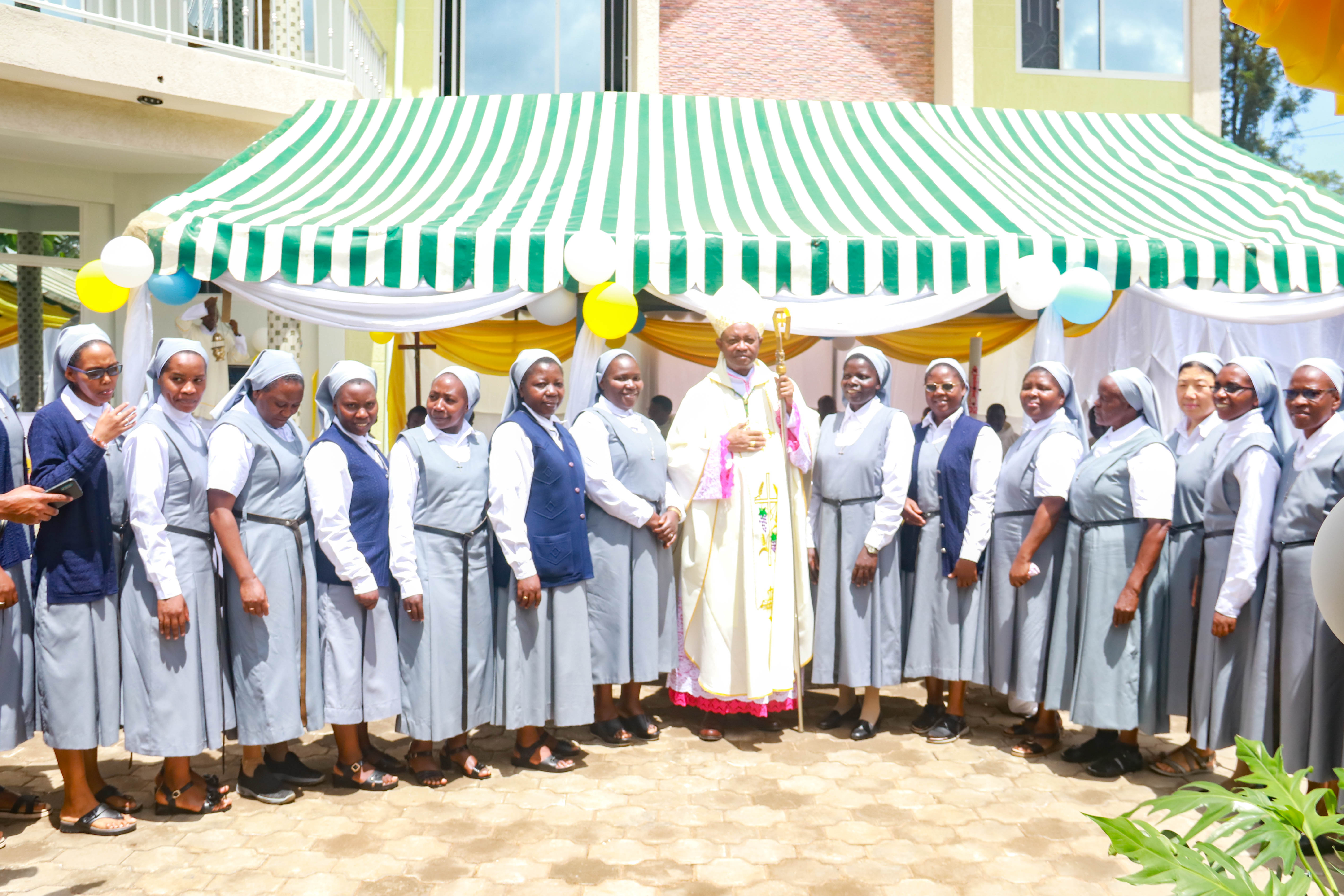
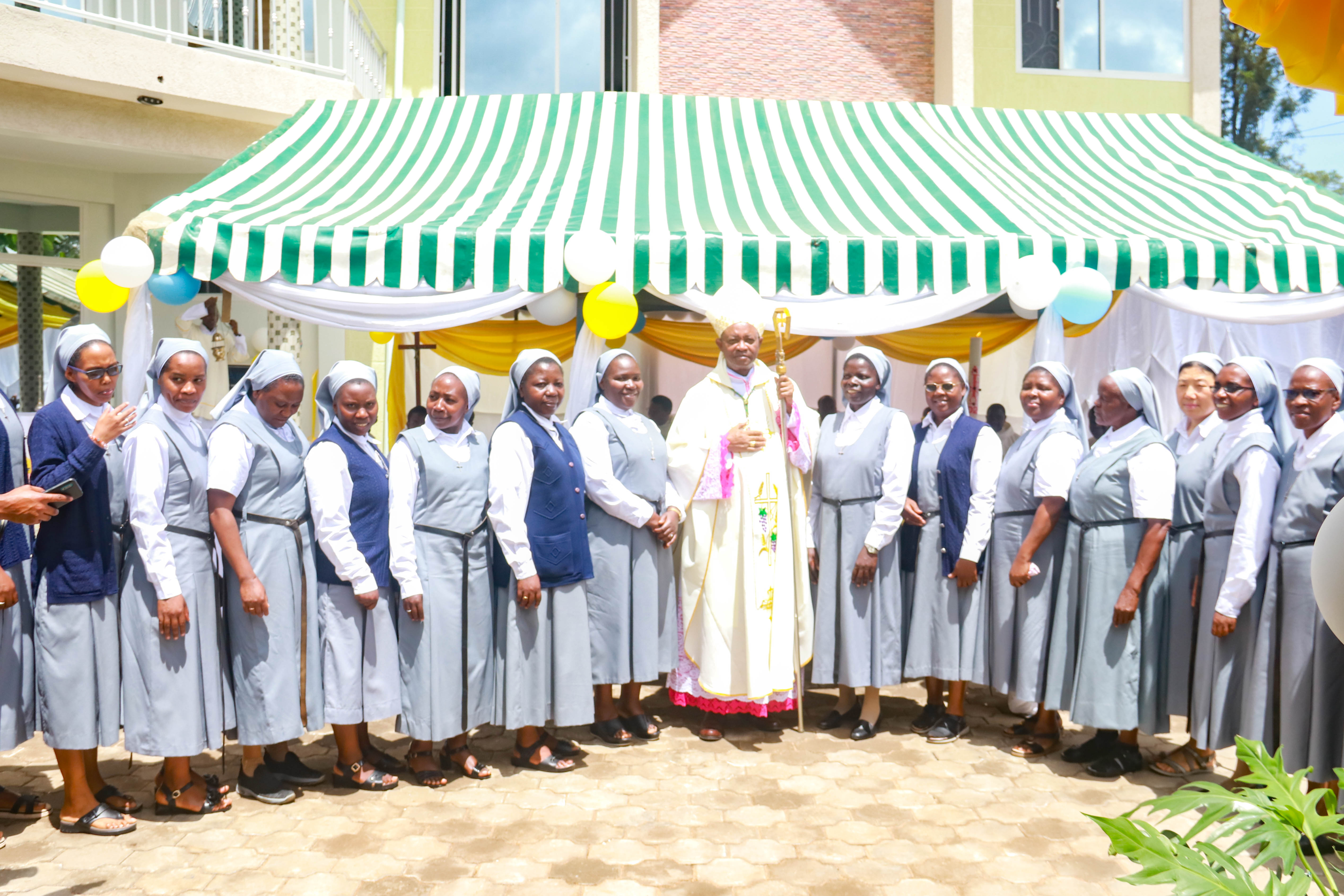
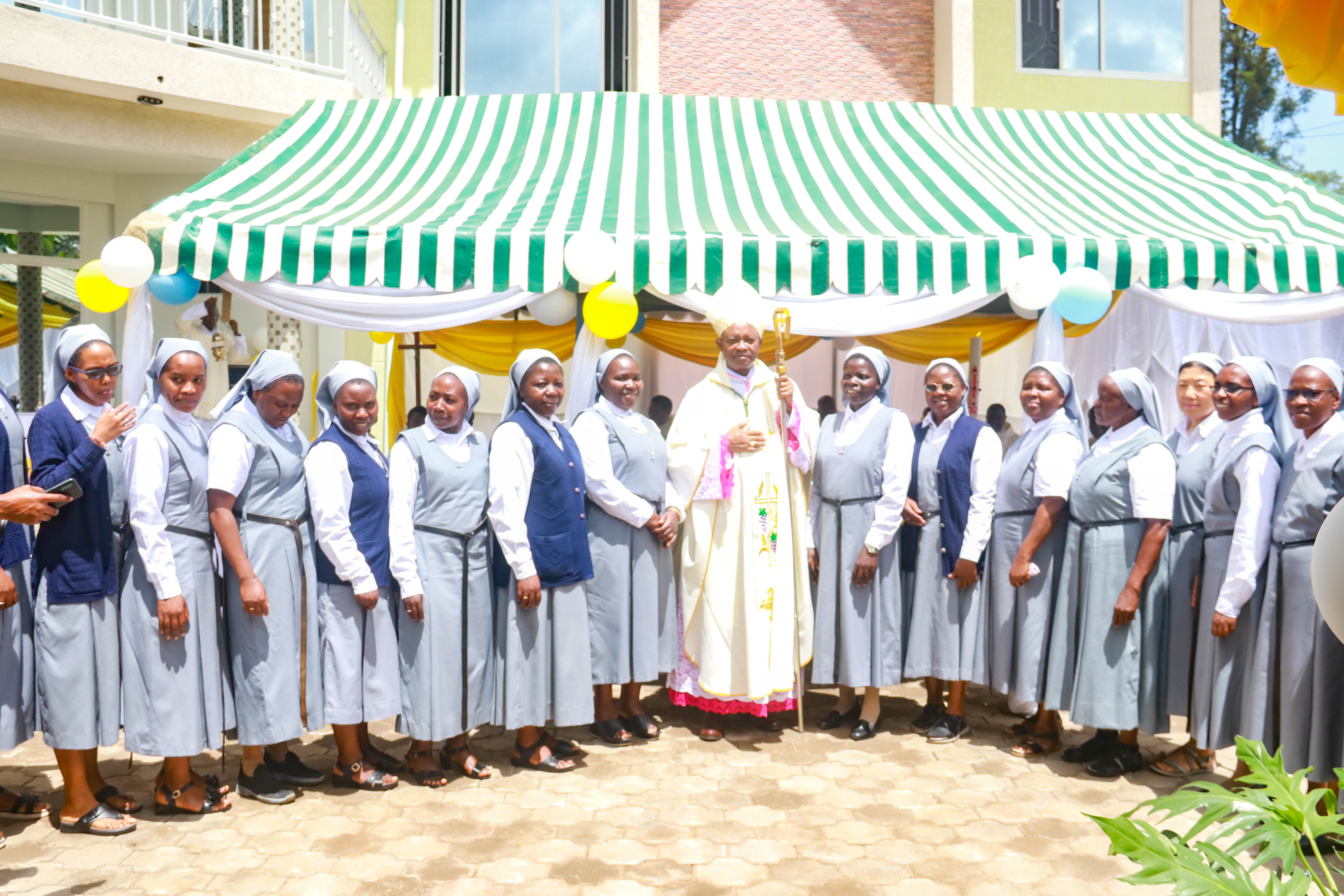
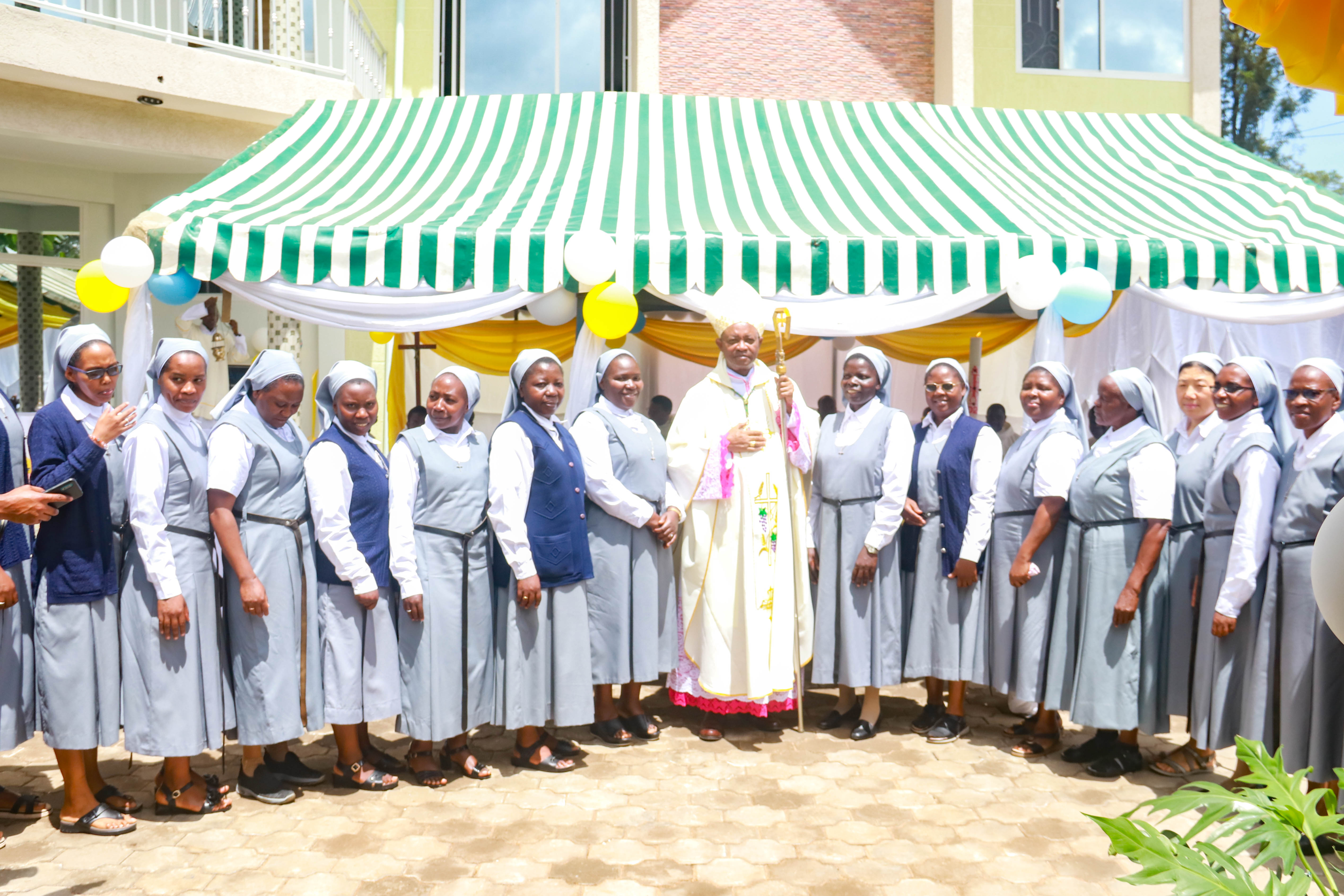
Over 150 years after our establishment in Nîmes, the oblates have grown into a worldwide religious congregation serving in more than 20 countries across Africa, Asia, Latin America, and Europe. While our historical Mother House stays in Nîmes, our Generalate is located in Paris. Our leaders now can be chosen from any of these 4 continents.  To remain true to our founding spirit of answering the call "Here I am, send me!", we continue our mission of fostering unity, education, and healthcare worldwide. Across diverse cultures and religions, we dedicate ourselves to serving others through schools, dispensaries, orphanages, catechism, and pastoral outreach.

Community

Share your appreciation or reflection

Your respectful comments help build our faith community.

Comments
F
FAUSTINA MAHENGEOct 27, 2026

Well done keep going indeed

Leave a comment
Comments are moderated before appearing publicly.